Lead Generation Process: The Complete Beginner’s Guide for 2026
Learn the complete lead generation process step by step. Discover strategies, tools, and tips to find, verify, and convert leads in 2026 with LeadStal. Focus Keyword: lead generation process
Every business needs new customers, but finding them is rarely straightforward. Where do you start? Who do you target? How do you turn a stranger into a paying customer?
That is where the lead generation process comes in. Lead generation is the structured approach businesses use to attract potential buyers, capture their contact details, nurture interest, and guide them toward a purchase decision.
This guide breaks down the entire lead generation process from scratch. Whether you are a solo founder, a small business owner, or part of a growing sales team, you will learn what leads are, how lead generation works, which strategies drive the best results in 2026, and how tools like LeadStal can streamline the entire workflow from lead discovery to cold email outreach.
What Is a Lead?
A lead is any person or business that has shown interest in what you offer. That interest can be expressed in many ways: filling out a contact form, downloading a resource, subscribing to a newsletter, or simply being identified as a good fit for your product based on publicly available business data.
Not every lead is the same. Understanding the different types helps you prioritize your time and resources on the prospects most likely to convert.
Types of Leads You Should Know
Marketing Qualified Leads (MQLs): These are people who have engaged with your marketing content. They may have downloaded an ebook, attended a webinar, or interacted with your social media posts. They are interested but have not yet signaled readiness to buy.
Sales Qualified Leads (SQLs): SQLs have been reviewed by your sales team and are considered ready for a direct conversation. They typically have a clear need, a budget, and decision-making authority.
Product Qualified Leads (PQLs): PQLs have used your product, often through a free trial or freemium plan, and have shown interest in upgrading. They already understand your value firsthand.
Service Qualified Leads: These leads are flagged by customer success or support teams as strong candidates for upselling or expansion based on their existing usage patterns.
What Is Lead Generation?
Lead generation is the process of identifying, attracting, and converting potential customers into leads. The goal is to build a pipeline of qualified prospects who are likely to become paying customers.
It is not just about collecting names and emails. Effective
lead generation involves creating value at every stage of the buyer journey,
from first awareness to the moment a prospect decides to purchase. Businesses
that invest in a structured lead generation process consistently outperform
those that rely on word of mouth or passive referrals alone.
The Lead Generation Process: Step by Step
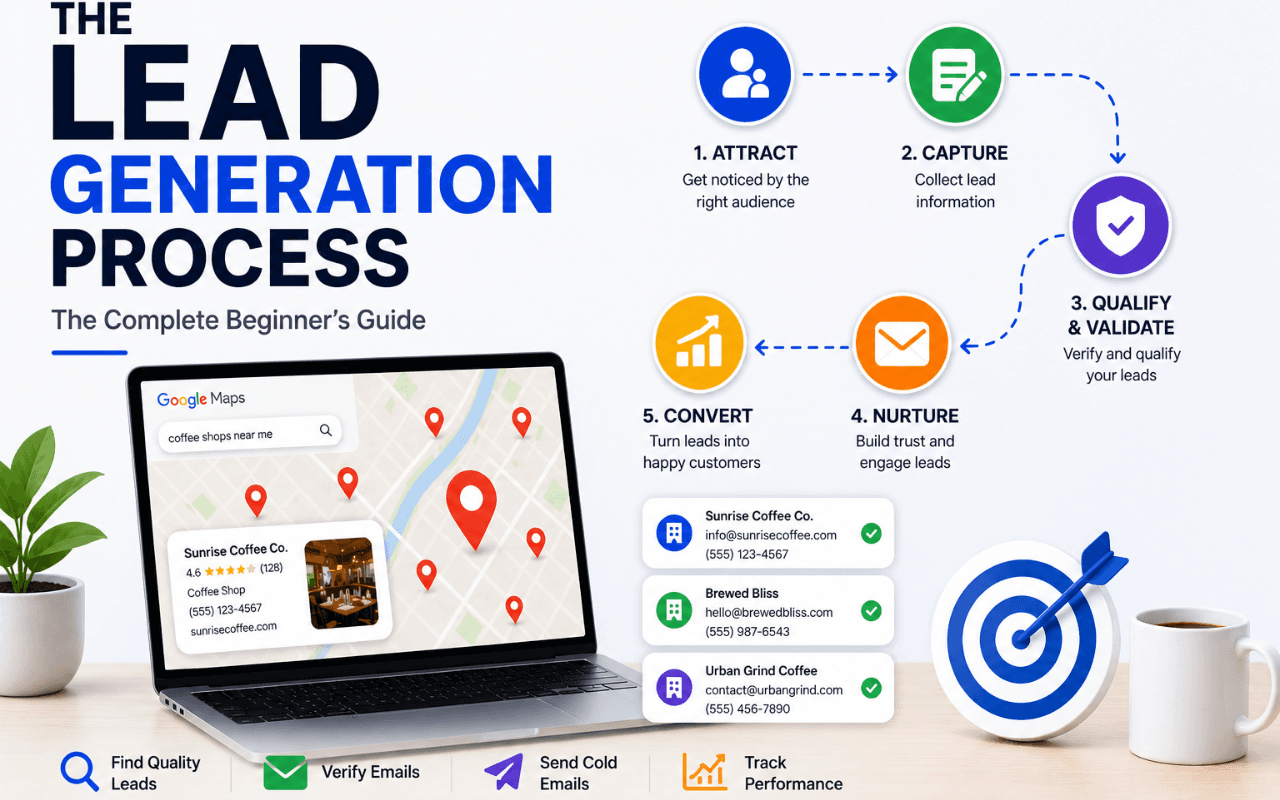
The lead generation process can be broken into five core stages. Each stage builds on the previous one, creating a repeatable system for turning strangers into customers.
Step 1: Attract Potential Leads
Before you can capture a lead, you need to get their attention. This stage is about visibility. You want your business to appear where your ideal customers are already looking.
Common tactics for attracting leads include content marketing through blog posts, guides, and videos that address your audience’s questions; search engine optimization to rank for keywords your prospects search; social media presence on platforms like LinkedIn, Instagram, Facebook, and Twitter; and paid advertising through Google Ads, Facebook Ads, or LinkedIn Ads to reach targeted audiences quickly.
Step 2: Capture Lead Information
Once a potential lead is aware of your business, the next step is capturing their contact information. In inbound marketing, this is usually done through landing pages with forms, lead magnets such as free trials, ebooks, or discount codes, gated content that requires an email to access, and newsletter signup forms.
For outbound lead generation, this step looks different. Instead of waiting for someone to fill out a form, you actively find their contact details using data tools.
Step 3: Validate and Qualify Leads
Not every lead is worth pursuing. This stage is about filtering your list to focus on leads that are most likely to convert. Validation means confirming that the contact data is accurate, while qualification means assessing whether the lead fits your ideal customer profile.
Key qualification criteria include whether the lead has a genuine need for your product, whether they have budget and authority, whether the email address is valid and deliverable, and whether the lead matches your target industry, location, or company size.
Step 4: Nurture Leads Through Outreach
Once your leads are validated and qualified, the next step is building a relationship. Not every lead will be ready to buy immediately. Nurturing is about staying top of mind and providing value until they are ready to act.
Common nurturing methods include email sequences that educate and build trust, retargeting ads that keep your brand visible, personalized follow-ups based on lead behavior, and content sharing that addresses specific pain points.
Step 5: Convert Leads Into Customers
The final stage is conversion. This is where qualified, nurtured leads make a buying decision. Your sales team steps in with personalized proposals, demos, or offers to close the deal.
Successful conversion depends on timely follow-up, since leads go cold fast if you wait too long; clear value communication that explains exactly how your product solves their problem; removing friction by making it easy to sign up, schedule a call, or make a purchase; and tracking results so you know which campaigns and sources produce the best customers.
Key Lead Generation Strategies for 2026
Lead generation strategies generally fall into three categories: inbound, outbound, and hybrid. The best approach depends on your business model, audience, and resources.
Inbound Lead Generation
Inbound strategies focus on attracting prospects through valuable content and experiences. The idea is to create a strong online presence that draws leads to you naturally.
Effective inbound tactics include publishing high-quality blog content optimized for SEO, building an email list with lead magnets, engaging audiences on social media platforms, and hosting webinars or creating educational video content.
Outbound Lead Generation
Outbound strategies involve proactively reaching out to potential customers. This approach is more direct and can produce results faster than inbound alone.
Effective outbound tactics include cold email campaigns to targeted prospect lists, cold calling with value-driven scripts, direct mail for niche or high-value markets, and networking at industry events and conferences.
Hybrid Strategies
Hybrid strategies combine the strengths of inbound and outbound. They are especially effective for reaching broader audiences and maximizing results.
Popular hybrid approaches include account-based marketing
that targets high-value accounts with personalized content and outreach,
retargeting campaigns that re-engage website visitors who did not convert,
social selling that combines organic content sharing with direct outreach on
platforms like LinkedIn, and webinars promoted through both paid ads and direct
email invitations.
Common Lead Generation Challenges and How to Solve Them
1. Balancing Lead Quality and Quantity
Generating a high volume of leads means nothing if most of them never convert. On the other hand, being too selective can slow your pipeline.
Solution: Implement a lead scoring system that prioritizes leads based on engagement, demographics, and fit with your ideal customer profile. Focus your sales team’s time on the highest-scoring leads while keeping the broader pipeline active.
2. Standing Out in Competitive Markets
When multiple competitors target the same audience, advertising costs rise and differentiation becomes harder.
Solution: Define a clear unique value proposition and invest in branding that highlights what makes your business different. Use targeted outreach to reach specific audience segments rather than competing for the same broad keywords.
3. Keeping Data Accurate
Outdated or incorrect contact data wastes time and damages sender reputation. Bounced emails, wrong phone numbers, and duplicate records all reduce the effectiveness of outreach.
Solution: Use data validation tools to clean your lists regularly. LeadStal’s Email Validator checks each address before you send, reducing bounce rates and improving deliverability.
4. Aligning Marketing and Sales
When marketing and sales teams work in silos, leads fall through the cracks. Marketing may generate leads that sales considers unqualified, wasting effort on both sides.
Solution: Establish a clear lead handoff process. Define what makes a lead “marketing qualified” versus “sales qualified.” Set shared goals and hold regular reviews to keep both teams aligned.
5. Adapting to Market Changes
Consumer behavior, platform algorithms, and market conditions change constantly. What worked last year may not work today.
Solution: Monitor campaign performance in real time and be ready to adjust. Use analytics to spot trends early and test new channels or messaging before fully committing.
How LeadStal Simplifies the Entire Lead Generation Process
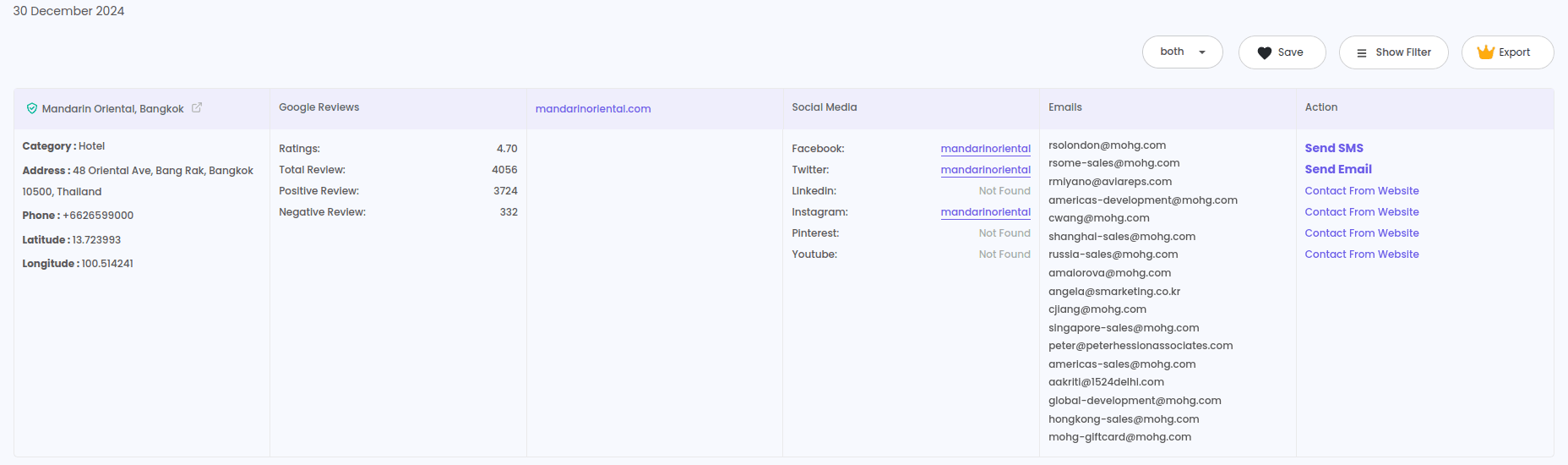
LeadStal brings every stage of the lead generation process into one connected platform. Here is how the complete workflow looks:
This end-to-end workflow eliminates the need for multiple disconnected tools. You scrape, find, validate, organize, send, and track all from within the LeadStal ecosystem.
Frequently Asked Questions
What is the lead generation process?
The lead generation process is a step-by-step system for identifying potential customers, capturing their contact details, qualifying their fit, nurturing the relationship, and converting them into paying customers. It typically involves a combination of inbound content strategies and outbound outreach tactics.
What is lead generation?
Lead generation is the practice of attracting people or businesses who might be interested in your product or service and collecting their information so you can follow up and build a relationship.
What are the best lead generation tools in 2026?
Popular tools include HubSpot for CRM and automation, LinkedIn Sales Navigator for B2B prospecting, and LeadStal for scraping business data, finding emails, validating contacts, and running cold email campaigns from a single platform.
How can I generate qualified leads?
Focus on targeted content, use lead scoring to prioritize high-fit prospects, validate contact data before outreach, and personalize your messaging. Tools like LeadStal’s Email Finder and Email Validator help ensure your lists are accurate and your outreach reaches real people.
What is outbound lead generation?
Outbound lead generation is when a business proactively contacts potential customers rather than waiting for them to come inbound. Methods include cold email campaigns, cold calling, direct mail, and social selling. LeadStal’s scraping tools and mail.leadstal.com are built specifically for outbound workflows.
How do I balance buying leads with organic lead generation?
Use organic strategies like SEO and content marketing to build a sustainable pipeline over time, while using tools like LeadStal to actively scrape and find leads for immediate outreach. This combined approach ensures both short-term results and long-term growth.
Final Thoughts
Lead generation is not about chasing every possible contact. It is about building a structured, repeatable process that helps you find the right people, verify their details, provide value, and convert them into customers.
In 2026, the businesses that win are those that combine smart strategy with efficient tools. LeadStal brings lead scraping, email discovery, validation, and cold email outreach into a single connected ecosystem so you can stop juggling disconnected tools and start converting leads faster.
Ready to build your lead generation engine? Get started with LeadStal for free and start collecting, validating, and converting leads today.
Put this into action, for free
Find verified leads from Google Maps, Instagram and 30+ sources with LeadStal's free tools.
Start finding leads freeComments (3)
 Priya Nair· 2 days ago
This is exactly what I needed, pulled 300 leads in my niche the same afternoon. The export to CSV worked flawlessly.